
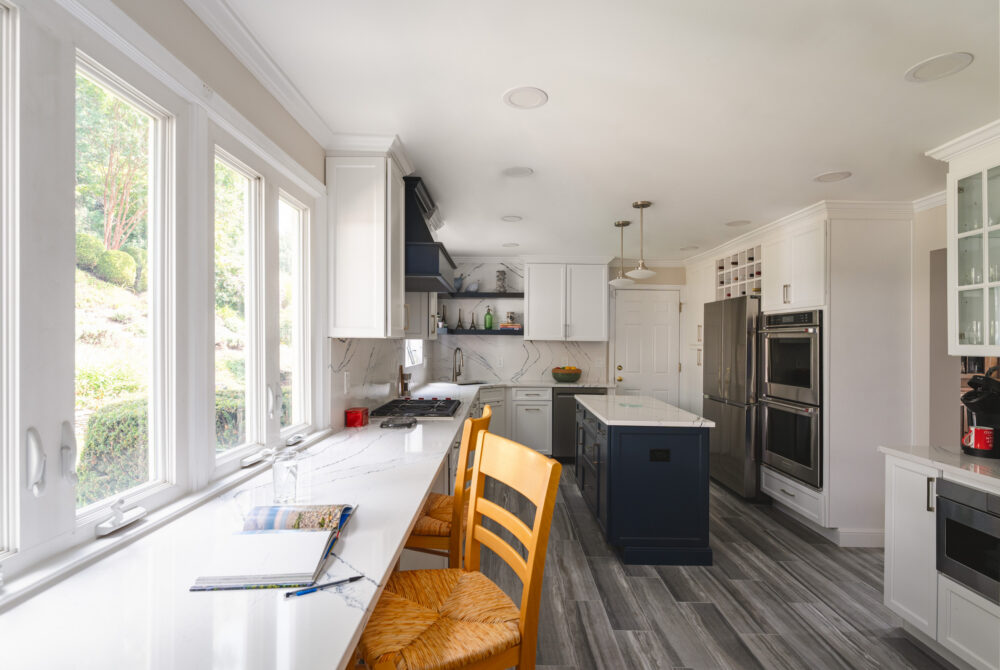
Every kitchen remodel starts at the design board. And every design decision revolves around the kitchen’s size.
Kitchen remodel sizes impact the layout, workflow, storage, and use. Designing a 10×10 kitchen requires efficiency, while a 20×15 one needs an optimal kitchen triangle.
Our guide explains the standard kitchen sizes. This helps you understand what works and what doesn’t,helping you make the most of your space.
Why Kitchen Size Matters
Kitchen size is more than just square footage. The layout efficiency is most important. Designers often refer to the ‘kitchen triangle’, consisting of the sink, stove, and refrigerator. They should be positioned closely for maximum efficiency.
In smaller kitchens, everything is close. So the triangle is naturally efficient without much effort. But in larger ones, the crucial points may be too distant if not planned properly. This creates inefficiency, as you need to walk back and forth.
10×10 Kitchen Remodel
A 10×10 kitchen is compact, requiring space-saving solutions. Homeowners often struggle with a lack of counter space. There is no room to accommodate multiple people. Also, with a lack of storage space, the kitchen quickly becomes cluttered.
L-shaped Layout
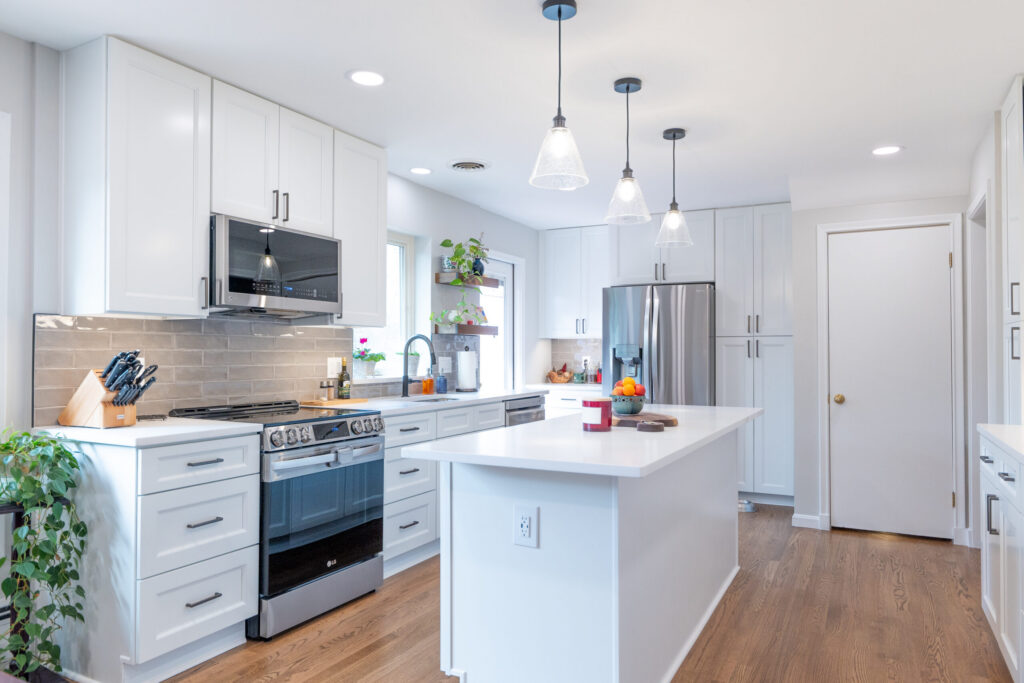
The L-shaped layout meets the needs of a small kitchen. It does not obstruct the space, while providing enough space for cooking and prep.
This layout uses two adjoining walls, which leaves the rest open. It helps create an open visual flow. The layout is ideal when the kitchen opens up to a dining or living area.
However, the L-shaped layout comes with its own challenge. Corner space may become an issue, unless you make that space functional. Designers recommend to add a Lazy Susan to maximize storage space and make it easily accessible.
Galley
A galley kitchen layout uses two parallel walls with a walkway between. This is the most efficient layout for a small and narrow kitchen. Everything is within arm’s reach, making everyday cooking easier. Because of this, the layout is a favorite among professional chefs.
For home use, this means plenty of storage and counter space. The kitchen triangle is tight and efficient.
However, a galley kitchen may still feel closed. In that case, designers recommend removing upper cabinets from one wall. This helps create openness and improve lighting.
10×12 Kitchen Remodel
With a 10×12 kitchen, you have design flexibility. There is space for a small island or peninsula to enhance functionality. With more base cabinets, you have extra storage space. But layouts are still limited when it comes to entertainment since there is no space for seating.
L-Shaped Layout with a Small Island
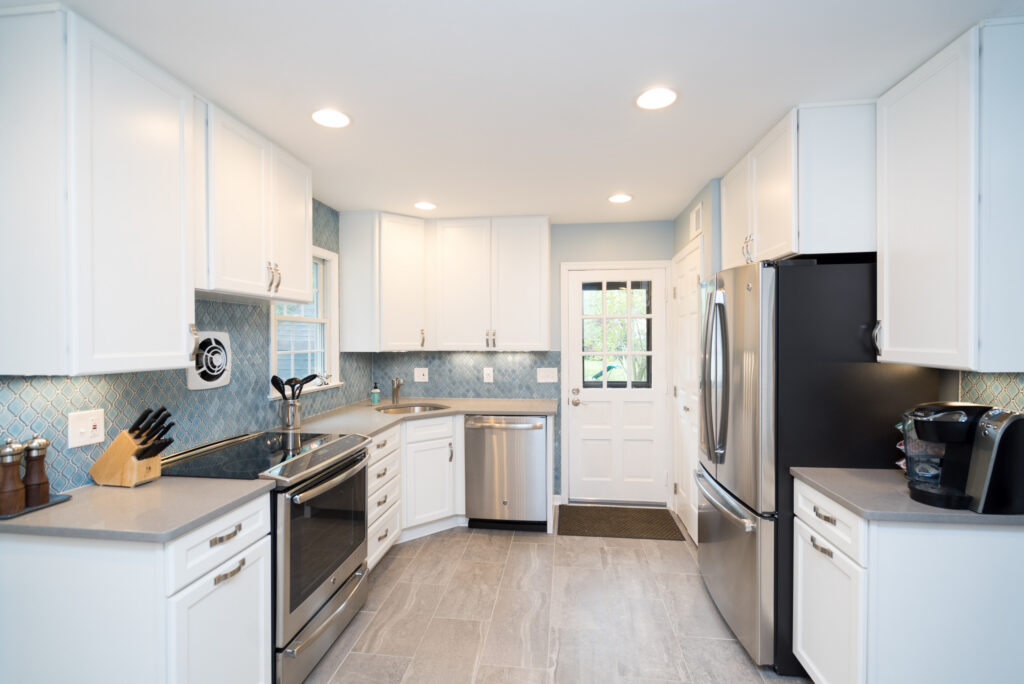
Adding a small island to an L-shaped layout adds extra space for prepping. Plus, it creates space for socializing and light meals.
However, homeowners still need to be careful. If the island is too large, it will overcrowd the room. Plan at least 36 inches of clearance space around the island for traffic flow. If a kitchen island is too big, opt for a peninsula instead. The peninsula can be attached to the cabinetry, completing the L shape.
U-Shaped Layout
When the focus is efficiency, the U-shaped layout is ideal for a compact space. The layout uses three walls, maximizing the storage and prep area. The kitchen triangle is optimized and efficient. However, this layout still needs proper planning, since it includes two corners.
Ultimately, the U-shaped layout may feel closed since it limits interaction with other spaces. If you want to open up the kitchen, you have two options to consider. One of them is replacing cabinetry with open shelving on one wall. Go with a light backsplash to make the space feel airy.
Another thing to try is using a glass-front cabinet on one side to reduce the visual weight.
12×12 Kitchen Remodel
The 12×12 kitchen is where things start to get creative. Homeowners can achieve comfort while playing with the layout. You can fit a kitchen triangle, and there is enough space for more than one cook. With plenty of casual seating, the 12×12 kitchen turns into a zone for entertainment.
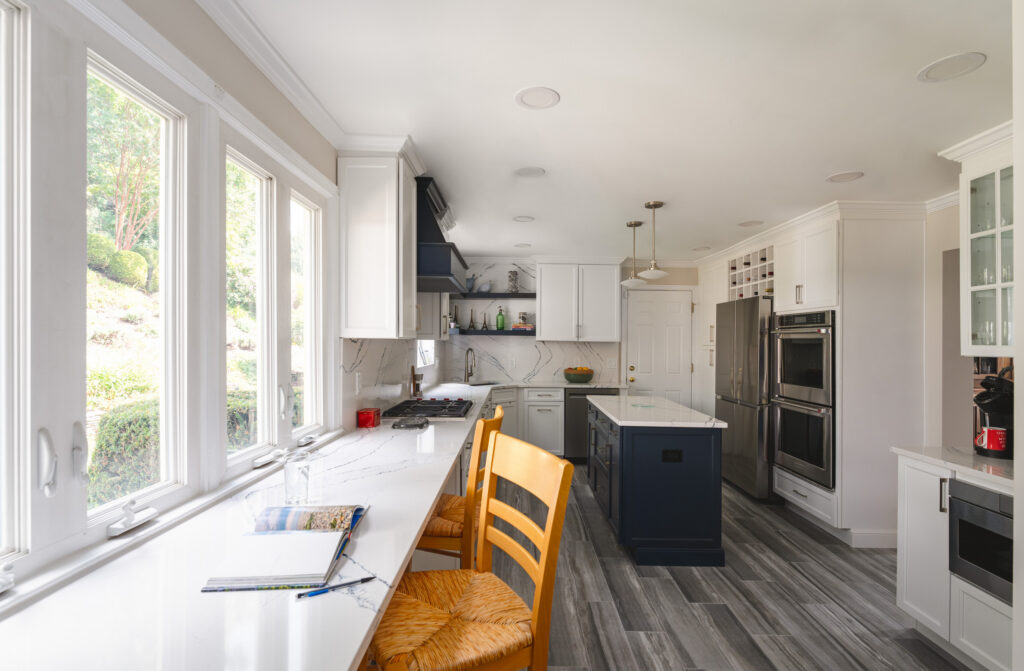
However, it can still feel crowded if you add oversized features. Plus, dividing the space into zones helps prevent clutter. Also, implement at least 36 inches of clearance space around the island for traffic flow.
Lighting can be another problem in a larger kitchen. The overhead lighting won’t be enough, so you need task lighting for the slicing and dicing.
U-Shaped Layout with an Island
Upgrading the U-shape with a kitchen island is a smart move to maximize usability. But for 12×12 kitchens, it takes thoughtful planning.
The three walls provide plenty of cabinetry and worktop, streamlining prep and cooking. This leaves you with an island solely dedicated to entertainment. It provides enough room for seating and serving, giving the kitchen a social role.
However, the layout can feel enclosed and cramped. Homeowners are advised to plan the space properly and allow for clearance. In addition to planning, consider switching the standard kitchen island with a small one. Remember that clear walkways are more important than a few extra inches of countertop.
L-Shaped Layout with a Full Island
The L-shaped layout with a full kitchen island is the most popular layout for a 12×12 kitchen. It feels open but still keeps the functionality. Moving around is easy, as there’s plenty of clearance. The layout shifts the purpose of a kitchen, introducing the social aspect.
However, positioning the island is crucial. If it disrupts the kitchen triangle, the layout is inefficient. Make sure it is closer to the prep zone to support your workflow.
10×20 Kitchen Remodel
A 10×20 kitchen is common in older homes. While it offers more square footage, there are additional challenges to consider. The kitchen can feel like a corridor. On the other hand, the work triangle can become inefficient if not planned properly.
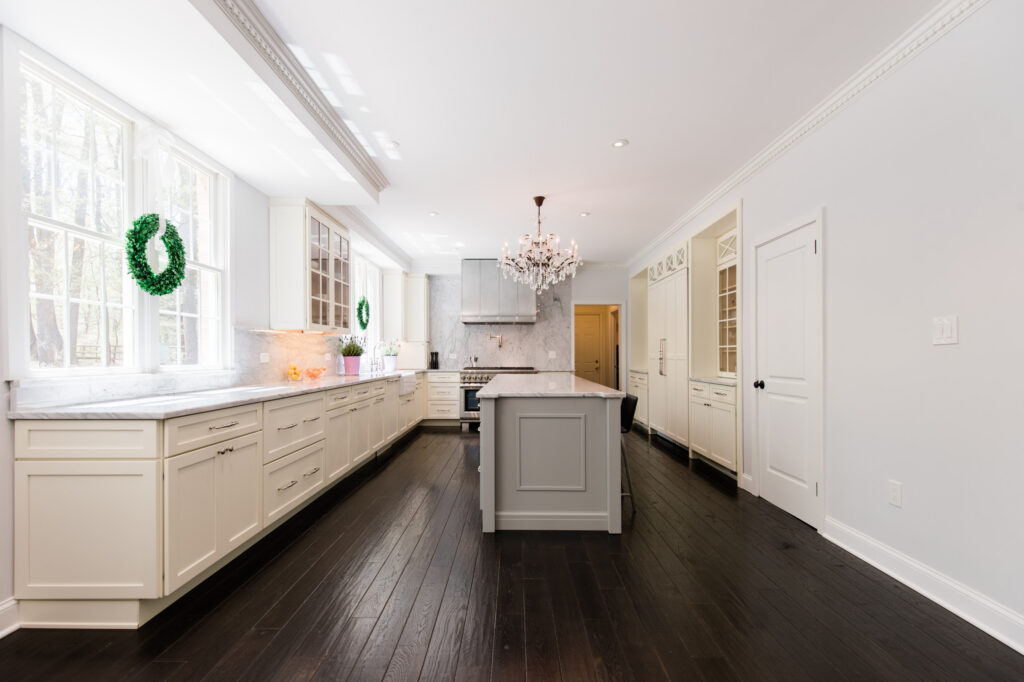
Still, a 10×20 kitchen offers plenty of counter space. And it gives you the possibility to create distinct zones for prepping and cooking.
Galley Layout with Expanded Spacing
For the 10×20 kitchens, the galley layout gets extra space. The classic two-wall design is improved with a wide walkway that doesn’t feel restrictive. Everything is aligned and easily accessible. The extra length allows for better distribution of work zones and appliances.
However, if the walkway is too wide, it can impact efficiency. You don’t want to walk back and forth while cooking.
One-Wall Kitchen with a Large Island
With cabinetry on one wall and one large kitchen island in the center, the 10×20 kitchen gets a modern and updated look. The cabinetry and appliances are placed on one wall, while the island floats in the middle. It can be used for prepping, storage, and seating. Some also like to add additional appliances, such as an extra dishwasher.
This layout keeps the space simple and uncluttered. It works well in open-concept homes, creating a barrier between the kitchen and the living area.
20×15 Kitchen Remodel
The large kitchen accommodates entertainment and cooking. You can incorporate a seating area and dedicated zones such as a coffee bar and a baking station. Plus, multiple cooks can use it simultaneously, making cooking a shared activity.
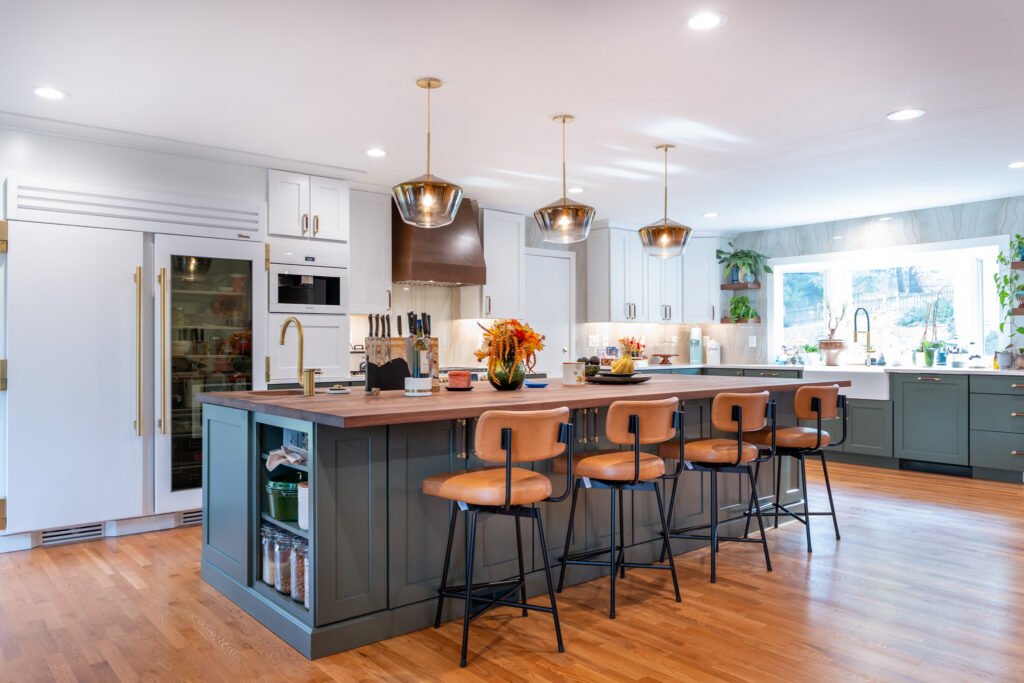
However, even large spaces come with challenges. One of the things you can easily get wrong is the work triangle. When the elements are too spread out, the cook needs to walk back and forth. On the other hand, the cost of the kitchen remodel is higher due to the size. With more materials and labor included, the quotes go up.
Large Island-Centered Layout
The kitchen island is the main focal point in a 20×15 kitchen. With its multifunctionality, it can handle prep, casual dining, storage, and cooking.
However, the kitchen island can still disrupt the flow due to its scale. Ensure proper size and placement for uninterrupted movement between sink, stove, and refrigerator.
A secondary prep sink is also useful for large kitchens. However, this may require extensive plumbing work, so consult with your contractor to understand how this change impacts cost.
Open Concept with Dining Integration
The kitchen blends into the dining space, creating a connected layout. The room feels open and airy. The cook can interact with the guests, which is ideal for home entertainment.
Since the kitchen and dining room are connected, you need to maintain cohesiveness. Establish visual continuity through the use of matching materials and colors. Use repeating design elements and consistent finishes to tie the spaces together.
Multi-Zone Kitchen
The multi-zone kitchen layout is ideal for all the home chefs who enjoy cooking and entertaining. The concept includes a secondary prep kitchen that is tucked away from sight, often used for messier tasks. This helps maintain a clean and aesthetic kitchen. On the other hand, multiple people can use the kitchen simultaneously without getting in each other’s way.
Final Take
Working with standard kitchen remodel sizes requires a tailored approach. Start with your space and consider how you use the space to identify the best layout.
If you have problems with that, we can help you. As a trusted contractor with experience in kitchen remodeling, we know all the challenges and can offer multiple solutions. Contact us now!