
1. Introduction to White Quartz
Quartz countertops are engineered materials made with a combination of natural quartz, resin binder, and pigments. 90% of the content is natural minerals, making it durable and easy to maintain.
It is specifically designed to eliminate the disadvantages of natural stone. Marble and granite are highly porous and require frequent maintenance. That’s why they’re largely avoided when designing busy kitchens.
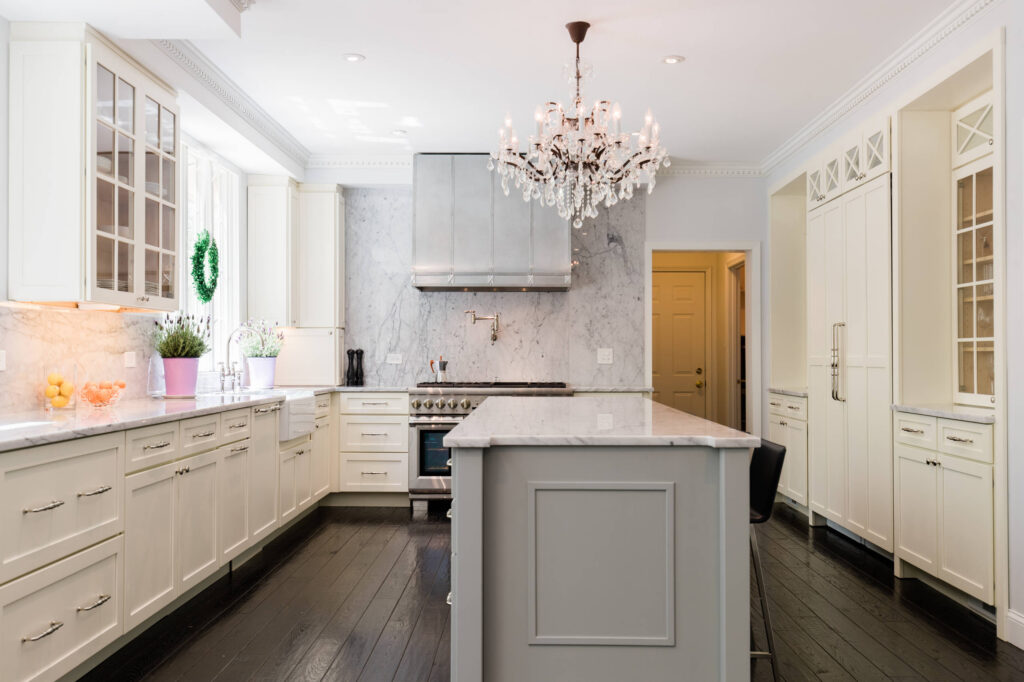
White quartz countertops are a staple in modern and minimalist kitchens. Homeowners love the simple look that pairs well with a variety of finishes and colors. And more importantly, they appreciate the durability.
The ones who prefer white countertops often choose quartz. It offers a crisp look while avoiding the high maintenance.
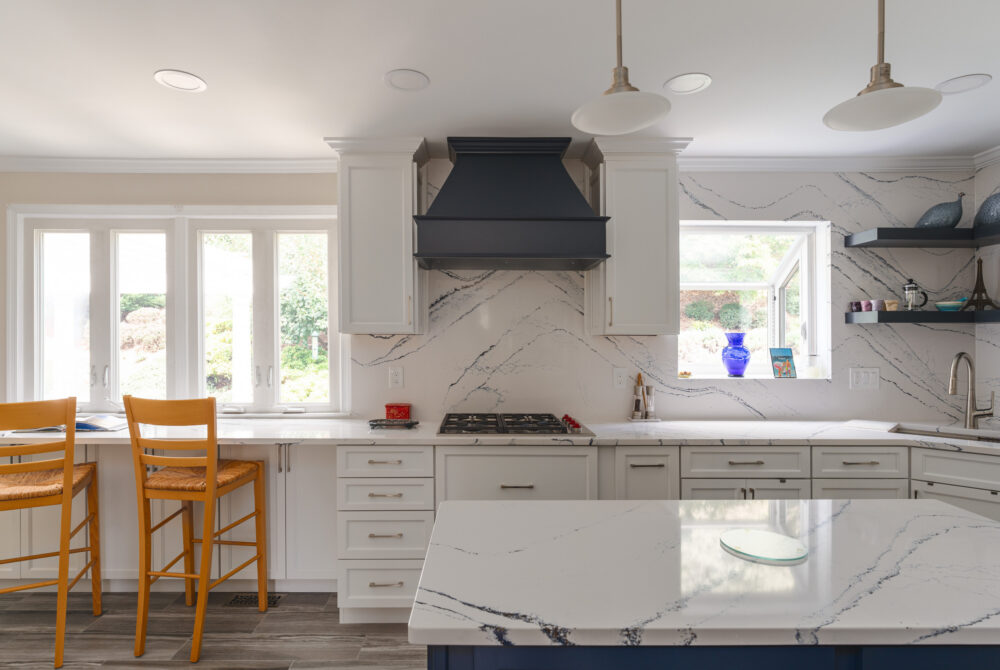
White quartz is widely recognized for its versatility, and anyone can find the right fit for their taste. Some prefer a flat white look that pairs with any style, while others love a contemporary veining.
And more importantly, you can decide the specific tone. Crisp whites are ideal for modern and minimalist kitchens, while off-whites suit traditional styles.
This article helps you understand more about the benefits of white quartz countertops. Based on our professional insights, you can decide whether it is a good long-term investment. If you’re planning a project, you can schedule a consultation to explore your options.
2. Durability and Maintenance
Strength and Resistance
Quartz is a very hard material. It has a hardness rating of 7 out of 10 on the Mohs scale. It is more resistant than marble and many granites. It is harder than metal, so a knife will dull rather than scratch the surface.
Thanks to the hardness, quartz countertops are scratch-resistant. They withstand everyday kitchen use without leaving visible damage.
While it has good heat resistance, you shouldn’t put hot pans directly on the countertop. The high temperature can damage the resin binder, so make sure to use trivets.
Daily Care and Cleaning
Marble is a porous stone that absorbs spills and stains easily. Therefore, it requires daily cleaning to prevent permanent marks.
On the other hand, quartz is a low-maintenance material. Cleaning is simple, as all you need is warm water and mild dish soap. Hence, it is an ideal choice for busy people who want to minimize their daily cleaning routine.
And more importantly, regular maintenance isn’t needed. You don’t have to seal and polish your countertops to keep them in good shape.
Long-term Performance
If you take care of your quartz countertops, they will last for years. The average lifespan is 15-25 or more.
One of the greatest advantages is that it maintains a consistent color and doesn’t yellow when installed indoors. Your white countertops will keep the crisp whiteness for long.
However, make sure not to use abrasive pads for cleaning. This can dull the finish, and the surface won’t look as shiny as you bought it.
3. Design Versatility
Modern, Classic, and Transitional Styles
White quartz is a chameleon in the interior design world. It adapts to many styles, ranging from classic to modern.
Envision a modern kitchen with handleless cabinets and integrated appliances. White quartz perfectly fits the picture, complementing the neutral color scheme.
In classic kitchens, quartz stone complements shaker cabinets and warm metal finishes.
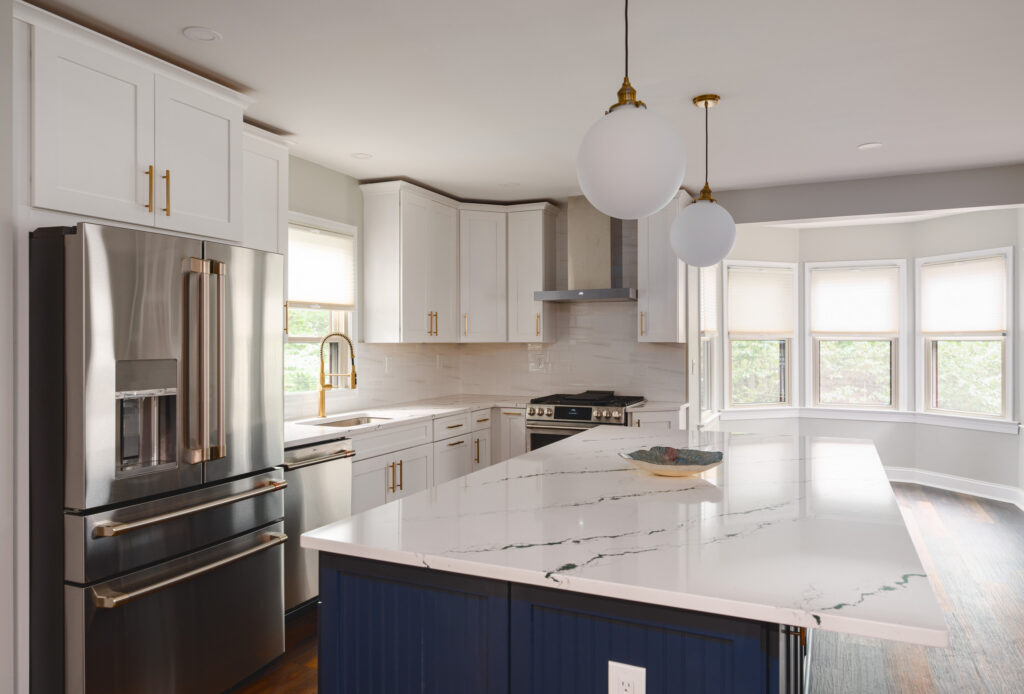
For transitional spaces, white and grey quartz countertops are a perfect fit. It helps preserve the traditional look without making it feel dated.
Cabinet and Backsplash Compatibility
White doesn’t have to mean boring. The different textures of white quartz add dimension to the overall design. Picture a matte white quartz countertop paired with warm oak cabinets. Brushed brass hardware brings warmth, creating a welcoming space that balances functionality and aesthetics.
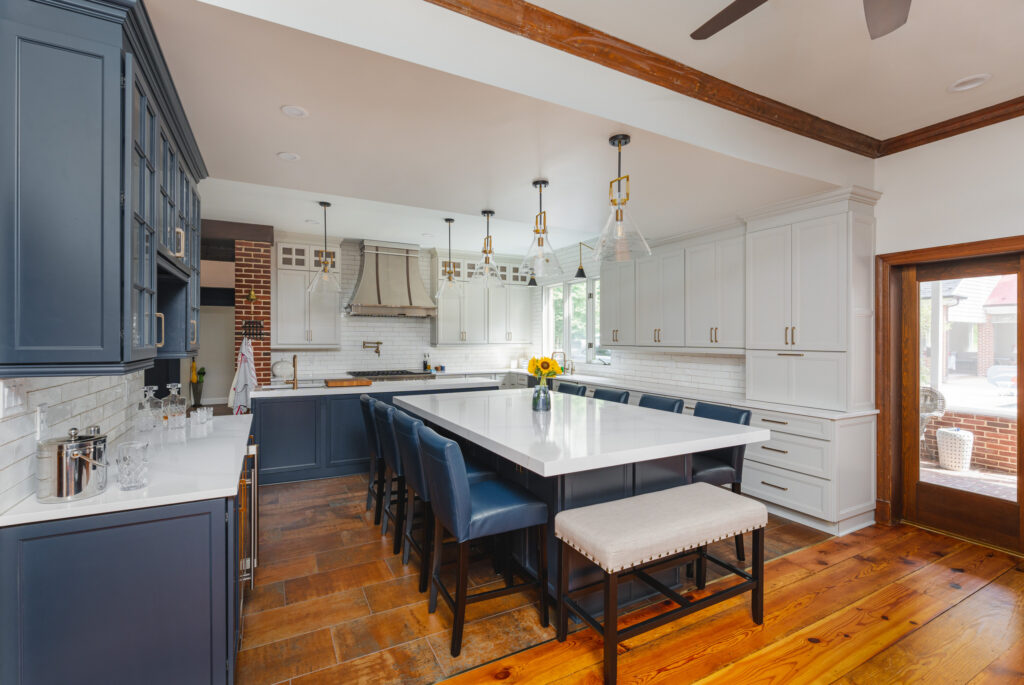
If you’re after a stark contrast, go with rich colors for the cabinets. Charcoal, emerald, and navy are bold choices that highlight the beauty of white quartz.
Kitchen Island Applications
The quartz island countertop balances aesthetic and function. You can go for an elegant quartz countertop slab that makes a statement in an open-plan space. Or go for waterfall edges to achieve the high-end effect.
In addition, its durability is ideal for the most frequently used surfaces in your home.
4. Health and Hygiene
Non-porous Structure
The surface of quartz is non-porous. This means that no liquids, odors, or bacteria can penetrate the material. You can wipe and disinfect the countertop safely. With the presence of resin, there is no need for sealing.
Stain and Bacteria Resistance
The non-porous surface prevents staining. You don’t have to worry that coffee, wine, oils, and sauces will leave permanent stains on your gorgeous quartz stone. The spills stay on the surface, and you can wipe them easily.
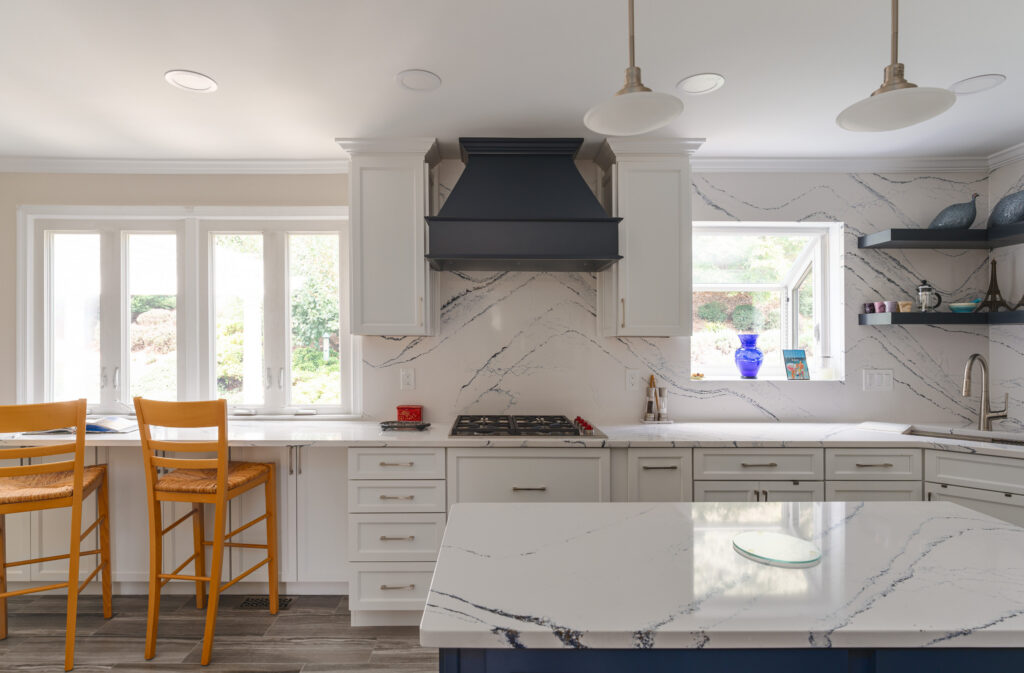
Bacterial resistance is another important advantage of quartz countertops. In other porous stones like marble and granite, the bacteria can use the tiny pores to enter and multiply.
However, this isn’t the case with quartz. You can easily sanitize the surface and prepare it for your next meal.
Food-safe Surface Benefits
Quartz countertops are food-safe as they don’t allow bacteria to settle in. This is ideal for family homes that require everyday cooking. Sanitize with warm water and soap, and your countertop is ready.
However, food safety does not mean it is intended for cutting. Quartz is a tough material and will dull your knives. On the other hand, repeated cutting can damage the resin binder. Make sure to use a cutting board for all the chopping, slicing, and dicing.
5. Cost and Long-Term Value
Engineered Quartz Value
The price for quartz countertops ranges from $50 to $120 per square foot. This puts it in the mid-to-high price range. It is more expensive than laminate. When compared to marble and granite, it is more affordable.
The final price depends on quality, thickness, color, and labor. For basic options, expect to pay between $50-$65 per square foot. Standard costs $65 to $75 per square foot. Those who want to invest in premium material should expect $75-$150 or more.
Professional installation is part of the cost. The hourly rate ranges from $35-$85, and complex layouts need more time to complete.
Long-term ROI
If you plan to sell your home, the quartz kitchen worktops add measurable value. They offer excellent ROI, with 70%-90%.
For buyers, quartz signals value and a premium feel. On the other hand, white quartz countertops have a neutral aesthetic that appeals to a broad range of buyers. The clean look allows potential buyers to envision their lifestyle.
Smart long-term Investment for Kitchens
Quartz is a long-term investment for your home. It doesn’t require specialized maintenance, so the costs are tied to the initial investment.
Quartz kitchen worktops are durable and timeless. The clean look is classic and never goes out of style. In addition, it doesn’t require replacing or expensive maintenance.
With this, homeowners can expect to have pristine countertops in the next decade.